
Paid Ads · Budget & Planning
You Don't Need Everything Figured Out Before You Start Running Ads
By Kent Dong · Published August 13, 2026 · Updated August 13, 2026
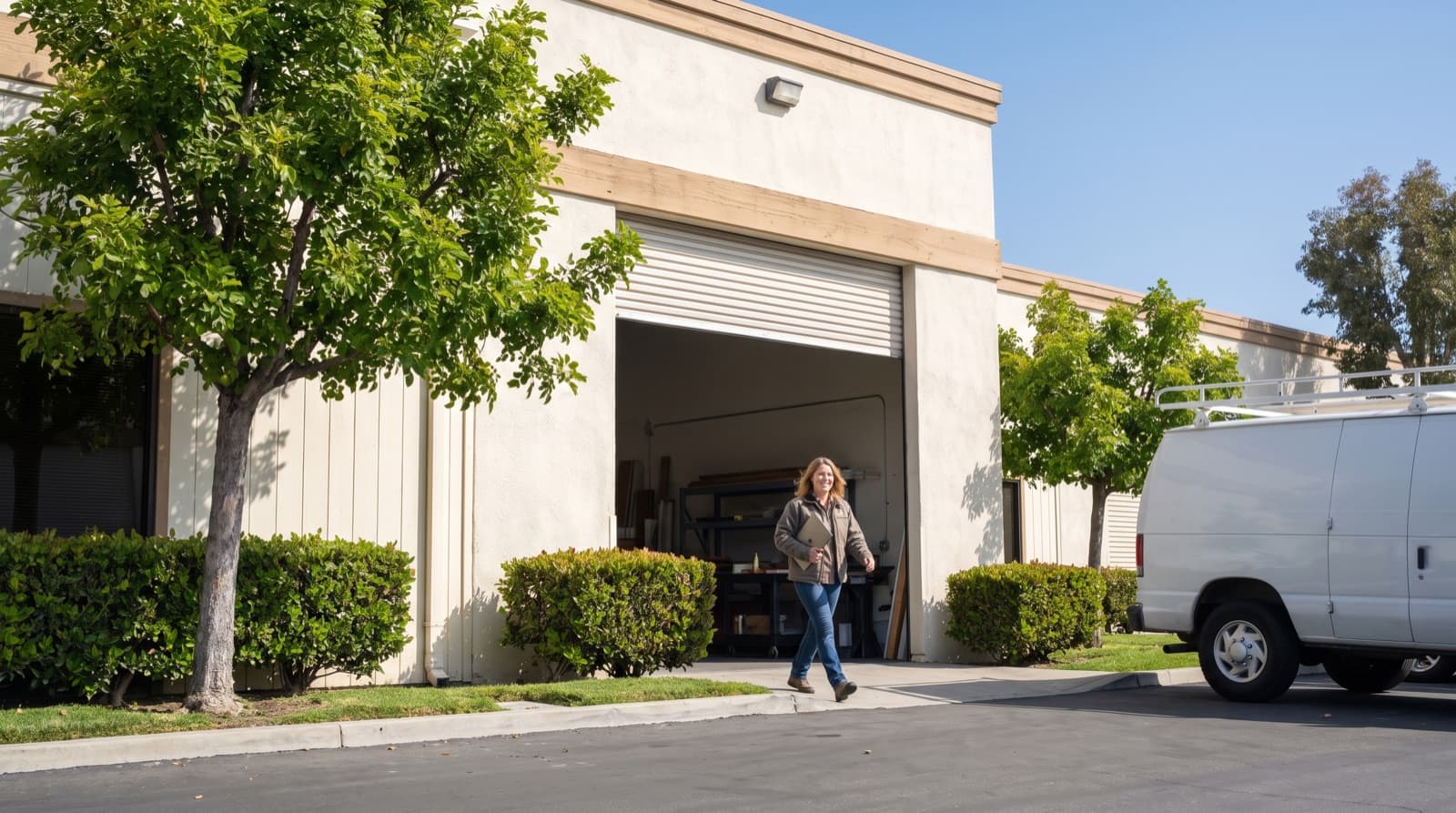
Advertising isn't only a way to buy customers. It's the fastest way to find out what your market actually responds to — which offers, which messages, which objections. Waiting until everything is perfect means making every decision on guesses instead.
One of the biggest mistakes I see business owners make is waiting until their marketing is perfect before they start advertising.
The list usually goes something like this: a redesigned website, a dozen good videos, a real following on Instagram, branding that finally looks the way they want, and a few months of SEO under their belt. Then they'll start running ads.
It sounds responsible. It's usually the most expensive decision in the plan.
What the waiting actually costs
While you're building, three things are happening.
You're spending money without feedback. A website redesign, a content shoot, a branding refresh — those aren't cheap, and none of them tell you anything about whether the market wants what you're selling or how you're describing it. You're making a series of expensive guesses in a row, and you won't find out if they were right until the very end.
Your competitors are learning. The competitor running ads this quarter isn't necessarily better than you. They're just further along the learning curve. They already know which of their three offers people click, what price point creates hesitation, and which objection kills the most calls. That knowledge is worth more than a better logo.
You're not making revenue in the meantime. Six months of preparation is six months of not booking the jobs that would have paid for the preparation.
Advertising is a research tool that happens to produce revenue
This is the part that gets missed. Most owners think of ads as the last step — the thing you turn on once everything else is ready.
Ads are actually the fastest research instrument available to a local business. Within a couple of weeks of real spend, you learn things you cannot learn any other way:
- Which offer people respond to. Free estimate versus fixed-price design consult versus "here's what a project like yours costs." You will be wrong about which one wins. Everyone is.
- Which message holds attention. Not which one you like. Which one keeps people watching past three seconds and makes them click.
- What questions leads ask. The first fifty leads will ask you the same five questions. Those five questions are the outline for your website, your videos, and your sales script — and you'd have been guessing at them otherwise.
- Where prospects drop out. Between click and form. Between form and answered call. Between call and booked estimate. Between estimate and signature. Every business leaks in one of those places, and you can't find the leak without volume running through the pipe.
- What your market actually costs. Cost per lead in your city, for your service, at your price point. Not an industry average from a blog post. Your number.
None of that comes from planning. It comes from putting a real offer in front of real people who have real money and watching what they do.
The distinction that matters
Don't wait until you're ready to advertise. Use advertising to find out what ready means.
Your business doesn't need more content. It needs more customers.
That line makes people uncomfortable, and it should be read carefully — it's not an argument against content. Content is how you compound. It's the thing that makes the next twelve months cheaper than the last twelve. But content is slow, and slow is fine when the lights are on and payroll is covered.
Paid media is the accelerator. It gets you in front of the market now, at a volume you control, with feedback you can act on this month. Then content, SEO, brand, and conversion infrastructure compound around it — informed by what the ads taught you instead of by what you assumed.
That order matters. Building the assets first and advertising second means your website says what you guessed people cared about. Advertising first means your website says what you watched people respond to.
What "ready enough" actually is
You don't need perfect. You need functional. In practice:
| What owners think they need | What's actually enough to start | Why |
|---|---|---|
| A full website redesign | One fast page with one offer and one form | The ad decides the message; the page just needs to deliver it without friction |
| A dozen polished videos | One or two clear videos of a real person explaining a real problem | You'll learn which angle works, then make more of that one |
| A large social following | An active profile that looks like a real business | People check that you exist; they don't count your followers |
| Months of SEO | Correct Google Business Profile and service area | SEO compounds in parallel — it isn't a prerequisite |
| Finalized branding | Consistent colors, a legible logo, real photos | Nobody has ever declined a bathroom remodel over kerning |
Two things genuinely do need to be in place before you spend: you have to be able to answer the phone quickly, and you have to be able to do the work you're advertising. Those aren't polish. Those are the difference between buying leads and burning them.
How to run it as a learning budget
If you frame the first stretch of spend as tuition rather than revenue, the decisions get much easier.
Pick a budget you can lose without pain. Run two or three genuinely different offers rather than five variations of one. Give each enough spend to produce a readable result instead of splitting a small budget into unreadable slivers. Write down what you expect to happen before you launch, so you can tell the difference between learning and rationalizing.
Then read the results honestly. The uncomfortable result is the valuable one. If the offer you were least excited about wins, that's the market telling you something it would have cost you six months and a website redesign to find out any other way.
The shift
There's a version of this business where you spend the next two quarters getting everything right and then launch to a market you still don't understand.
And there's a version where you spend a fraction of that money now, find out what your market actually responds to, and build the website, the content, and the brand around evidence.
The second one isn't reckless. It's just the one where you get to be wrong cheaply, early, and on purpose.
FAQ
Fix what's broken — slow load times, no clear offer, no working form. Don't wait on a full redesign. A simple, fast page with one offer and one call to action is enough to start learning, and the ad data will tell you what the redesign should actually say.
Far less than most owners assume. One or two clear videos and a page that explains the offer is a workable starting point. Running ads generates the feedback that tells you which content is worth producing next, which is more useful than guessing at a content library first.
Which offers people respond to, which messages hold attention, what questions leads ask before booking, what price objections come up, and where prospects drop out of the process. That's live market feedback, and there's no way to get it from planning.
It's only waste if you don't read the results. A modest, deliberately structured test budget buys information about your market that would otherwise take months of guesswork — and it's usually cheaper than a year of building assets nobody has validated.

Kent Dong
Founder & Lead Strategist, KVM Creative Agency